Brand
Pricing Power: How Your Brand Decides What You Can Charge
Every business has a price ceiling it can’t explain. It’s usually the gap between what you charge and what you look like you should charge. The mechanism, and the fix.
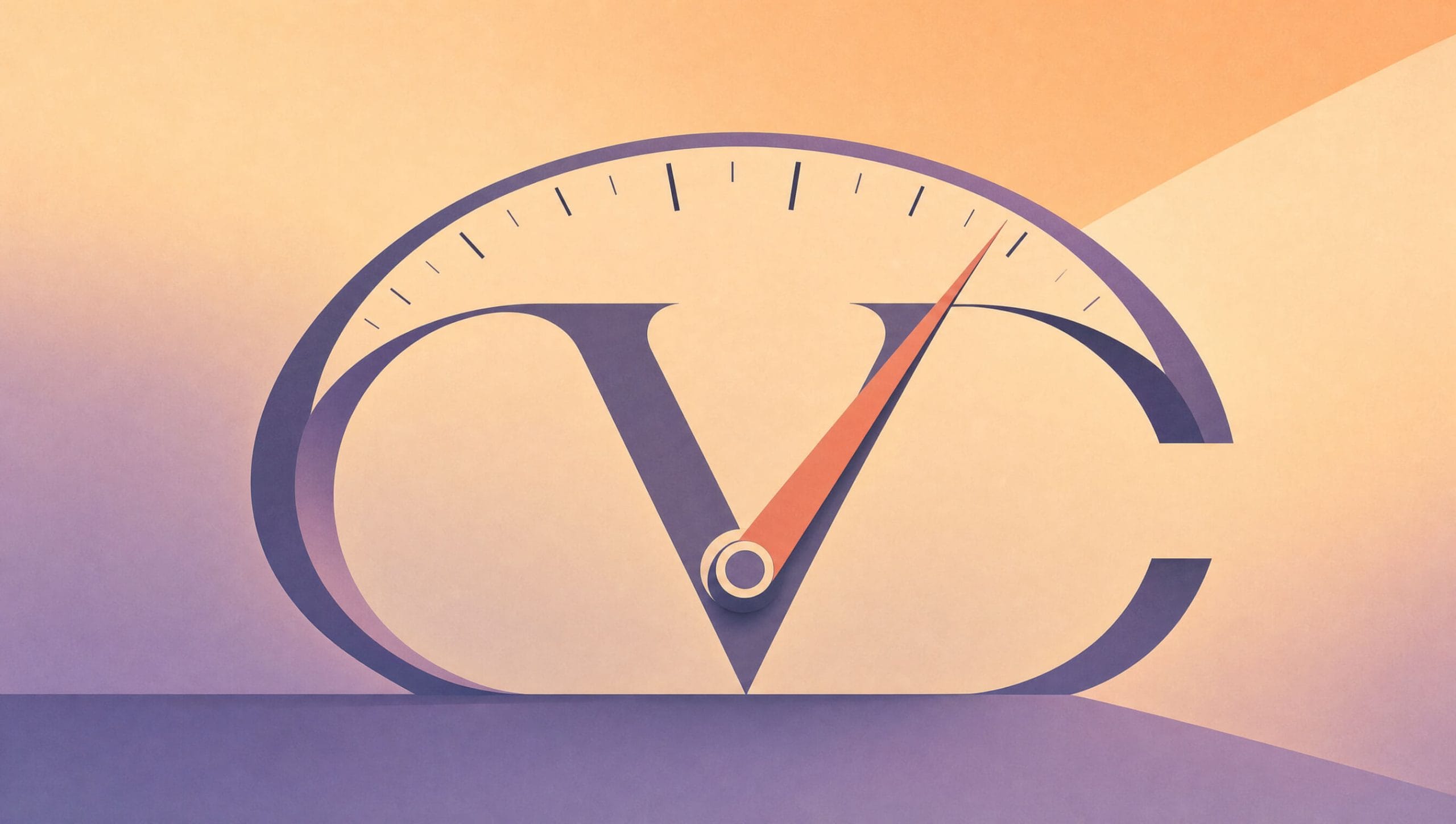
Every business has a price ceiling it can’t explain. The cause is rarely the market, the competition or the economy. Usually it is the gap between what you charge and what you look like you should charge.
Every service business has accidentally run this experiment. You quote a price that’s fair for the quality you deliver and watch a prospect hesitate. Then you watch them pay more to a competitor whose work you know is weaker. It feels irrational, but it isn’t. The competitor’s brand wrote a promise their price could sit inside. Yours didn’t.
Pricing power, the ability to charge more without losing the sale, is usually treated as a finance topic. In practice, for small and mid-sized businesses, it’s largely a perception topic. And perception can be built.
The mechanism: price is a claim, brand is the evidence
A price is an assertion: this is what the value is. Buyers can’t verify the assertion in advance because they haven’t experienced your work yet, so they audit it against every proxy available: your website, your proposal document, your logo on the email, the coherence of the whole. When the proxies agree with the price, the price feels safe. When they contradict it, the buyer doesn’t negotiate. They discount your claim silently and either haggle or leave.
This is why “we’re cheaper than the big guys!” so often backfires in professional services. Read against a weak brand, the low price looks less like a bargain and more like a confession.
The numbers behind the intuition: consistent brand presentation is associated with 23–33% higher revenue, McKinsey’s design index found design-led companies outgrew industry benchmarks in both revenue and shareholder returns, and the perception behind all this forms in the first fraction of a second. None of that is about beauty. The question is whether your asking price has visual permission.
Where price ceilings actually live
Audit where the mismatch happens, because it’s rarely everywhere.
The first place is the proposal moment. The buyer’s attention peaks exactly when most firms send their ugliest document. A quotation in a coherent, confident template supports a higher number on the same page, which makes it the cheapest pricing-power upgrade in existence.
The second is the comparison moment. Shortlists are visual line-ups. If your website reads a category below your competitors’, your price must read a category below theirs to feel “fair.” You’re not underpricing by choice; your presentation is pricing for you.
The third is the referral moment. When someone recommends you, the recipient checks the website before calling. Strong work + weak site = “are you sure about these guys?”, and the price conversation starts defensively.
How to raise prices with your brand (the honest sequence)
- Fix the money touchpoints first: proposal template, invoice, website service pages. You don’t need the whole identity yet, just the documents where numbers appear.
- Align the claim. If you’re repositioning upward, your visual system, your case studies and your voice must move together. A premium price in a discount costume convinces no one.
- Sell outcomes, not deliverables. “Four concepts, all file formats, unlimited revisions” is commodity language that invites hourly math. “A brand that lets you win better clients” is outcome language that supports value pricing. (We rebuilt our own offers on exactly this principle.)
- Then raise the number. With the evidence aligned, a 10–20% lift typically meets less resistance than the old price did, because the friction came from the mismatch all along.
The honest caveat
Branding can’t price a bad product. It buys you the fair price for real quality, not a fake premium for mediocrity. Pricing power built on perception must also be backed the moment the work starts, or it turns into churn. But if your problem is the classic one, being demonstrably better than you look, then design stops being a cost center. It becomes the highest-leverage pricing tool you own, because it works on every quote you’ll ever send.
Closing the gap between how good you are and what you can charge is precisely our Brand Identity work. Free 5-point check below.
Sources
- Marq, Brand Consistency Report: https://www.marq.com/resources/report/brand-consistency
- McKinsey, The Business Value of Design: https://www.mckinsey.com/capabilities/mckinsey-design/our-insights/the-business-value-of-design
- MalbarDesign, You’ve Been Judged in 0.05 Seconds: https://malbardesign.com/what-your-brand-is-saying-before-you-say-anything/
FAQ
Questions people ask
What is pricing power in a small business?
The ability to charge more without losing the sale. For SMEs it’s largely perception-driven: buyers audit an unverifiable price against visible proxies (website, proposals, identity coherence) and accept prices those proxies support.
How does branding increase pricing power?
Price is a claim; brand is the pre-purchase evidence. When presentation matches or exceeds the price’s implied level, the price feels safe; when it contradicts it, buyers silently discount. Consistent presentation is associated with 23–33% higher revenue, and design-led companies outgrow industry benchmarks.
Where should I invest first to support higher prices?
The money touchpoints: proposal/quotation template, service pages, invoice. These are where the number and the evidence meet on the same page, which makes them the cheapest pricing-power upgrade available.
Can branding justify any price?
No. It buys the fair price for real quality; it can’t sustain a fake premium. Perception raised must be backed by delivery, or it converts to churn.
Why does being the cheapest often backfire?
Against a weak brand, a low price reads less like a bargain and more like a confession. Buyers in professional services use price as a quality signal when other evidence is thin.
Not sure whether your brand needs a refresh or a rebuild?
Ask for the free 5-point brand check: concrete recommendations for your logo and website within 48 hours, no sales call unless you want one.
Related articles
All articles Brand
BrandHow to Launch a Rebrand Without Losing Your Customers
The files are delivered, and now comes the part that decides everything: the switch. The 215-asset inventory, the bridge period, the inside-out sequence, and the 30-day scoreboard.
· 3 min read
 Brand
BrandThe DIY Brand Audit: Score Your Brand in One Afternoon
Before spending a euro on design, spend an afternoon on diagnosis. The exact 5-test brand audit we run professionally, simplified for coffee, honesty, and one stranger.
· 3 min read
 Brand
BrandFrom Startup Brand to Company Brand: Rebranding After Traction
The scrappy identity that won your first hundred customers is costing you the next thousand. When to rebrand a startup, what actually changes, and the founder’s playbook.
· 3 min read