Brand
B2B Branding: Why the Best Manufacturers Often Look the Worst
The five-micron machine shop with a 2013 website: why the best manufacturers often look the worst, what it costs them, and the six assets that actually move B2B revenue.
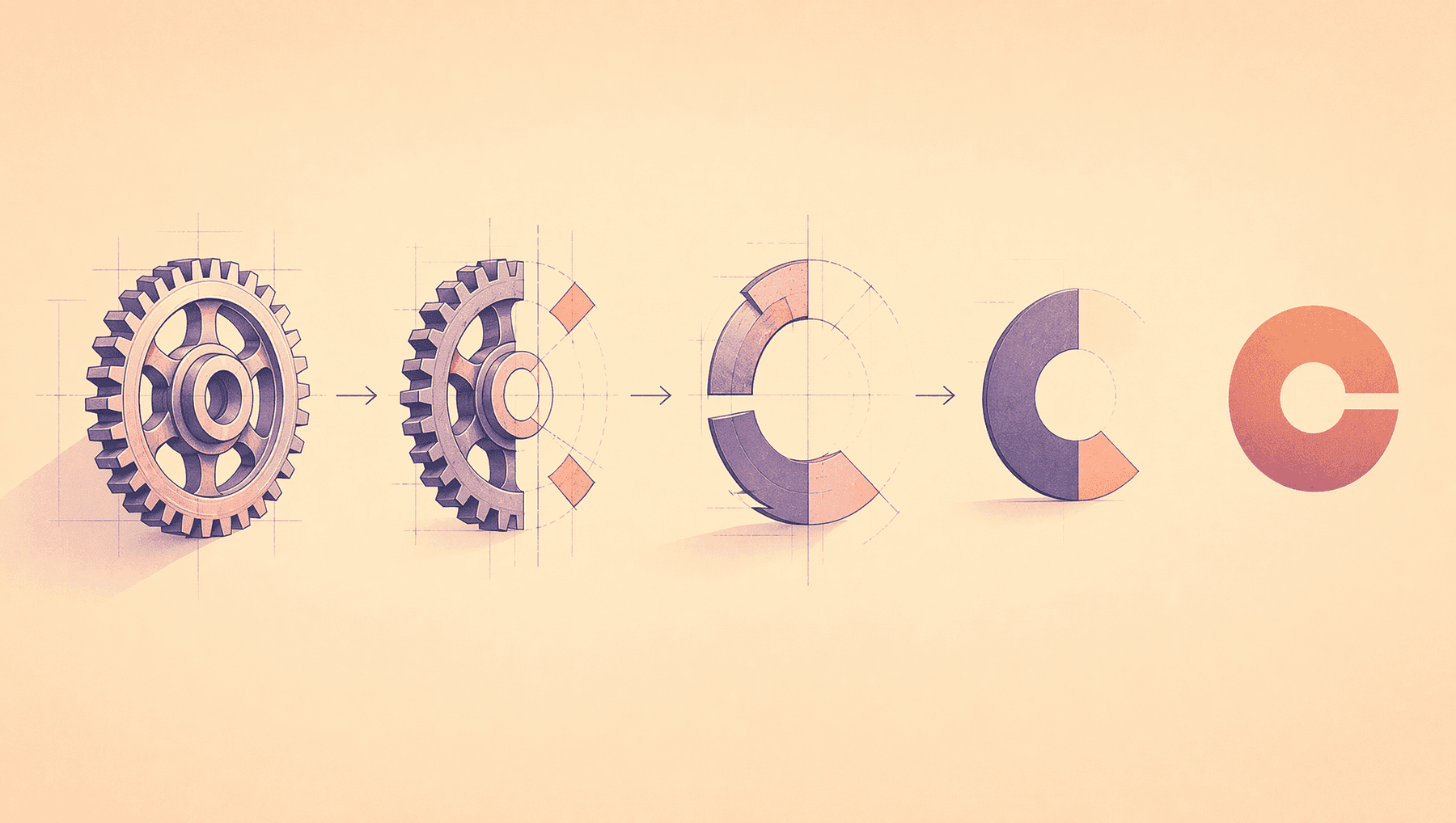
There’s a species of company that can machine a part to five microns and can’t produce a readable PDF about it. Competitors with worse products and better websites are eating their lunch, politely, one invoice at a time.
In twenty years around Czech manufacturers, engineering firms and technical suppliers, we’ve learned to expect a specific inversion: the better the company is at its actual work, the worse it tends to look. The five-micron machine shop has a website from 2013. The firm exporting to three continents has a logo drawn in Gimp or Canva by somebody’s nephew. Meanwhile a mediocre competitor with a sharp identity wins the first meeting before anyone checks a tolerance sheet.
The damage here is commercial rather than aesthetic, and it is fixable precisely because the underlying company is strong.
Why B2B branding gets neglected (and why the logic fails)
The neglect rests on a respectable-sounding logic: our customers buy specs, references and price, not pictures. In a world of infinite attention and perfect information, that would hold. In the real one, three things break it.
Buyers see the brand before the specs. Procurement teams shortlist from websites. Distributors judge partner risk from presentation, and a foreign buyer who can’t visit your hall judges the hall by your PDF. When first impressions are ~94% design-driven, a weak brand does more than lose you the comparison: it keeps you out of the comparison.
B2B buying got consumerized. The engineer specifying your product researches you the way they shop privately: website, LinkedIn, reviews, what AI assistants say. By the time you meet, the impression is already formed.
Trust is the actual product. In B2B, every purchase is a career risk for the person signing. A coherent, current, confident brand lowers their perceived risk of choosing you. A dated one raises it, whatever your ISO certificates say.
What B2B branding is not
One fear keeps technical firms away from this, so we’ll deal with it first. B2B branding does not mean looking trendy, playful or like a startup. Nobody wants their pressure-vessel supplier to look whimsical. The target register is authority, precision, clarity and permanence. Think Swiss engineering catalogs rather than Instagram. The design should feel like your tolerances: exact, unfussy, quietly impressive.
The B2B brand kit that actually moves revenue
For a manufacturer or technical firm, six assets do most of the work. In rough priority order:
- A logo system that survives industry reality: embroidery, laser engraving, machine nameplates, hi-vis vests, trade-fair banners at 5 meters. (Format discipline matters more here than anywhere.)
- A website that answers a buyer’s first five questions: what you make, at what scale/precision, for whom, with what certifications, and how to get a quote. In the buyer’s language, above the fold.
- A capability one-pager or company profile PDF, the document that gets forwarded internally when you’re not in the room. It is your most-traveled salesperson, and most firms have never designed it.
- Proposal and quotation templates. At most firms, the moment of maximum attention meets the ugliest document.
- Trade-fair and vehicle systems, where scale mercilessly exposes improvised marks.
- Consistent photography direction: real halls, real machines, real people, no stock handshakes.
Notice what’s missing: campaigns, mascots, trend-chasing. B2B brand ROI lives in the unglamorous touchpoints inside the actual sales process.
The export multiplier
Everything above doubles in weight the moment you sell abroad. A foreign buyer has no local context, no word-of-mouth and no visit, so your brand is the entire first diligence. Czech engineering has a genuine quality reputation to draw on, and a brand that looks like the work lets you claim it. A brand that doesn’t quietly re-prices you into the “cheap Eastern supplier” box you’ve spent a decade machining your way out of.
There is good news in all this. Because your competitors neglect it too, the bar is low and the differentiation is cheap. In consumer markets, great branding is table stakes. In industrial B2B, it is still an unfair advantage.
This is our home turf: brand identities and websites for manufacturers and technical firms whose work deserves better packaging. Free 5-point check below.
Sources
- MalbarDesign, You’ve Been Judged in 0.05 Seconds: https://malbardesign.com/what-your-brand-is-saying-before-you-say-anything/
- MalbarDesign, GEO: How to Get Recommended by AI: https://malbardesign.com/generative-engine-optimization-small-business/
- MalbarDesign, The 5-Second Homepage Test: https://malbardesign.com/5-second-homepage-test/
FAQ
Questions people ask
Does branding really matter in B2B and manufacturing?
Yes, because buyers see the brand before the specs. Procurement shortlists from websites, distributors judge partner risk from presentation, and every B2B purchase is a career risk for the signer; a coherent brand lowers their perceived risk. A weak brand does more than lose the comparison: it keeps you out of it.
What should B2B branding look like?
Authority, precision, clarity and permanence, without trendiness. The design register of Swiss engineering catalogs: exact, unfussy, quietly impressive. It should feel like your tolerances.
What brand assets matter most for a manufacturer?
In priority order: a logo system that survives engraving, embroidery and 5-meter banners; a website answering a buyer’s first five questions; a capability one-pager (the document forwarded when you’re not in the room); proposal templates; trade-fair and vehicle systems; and honest photography of real halls and people.
Why do technical companies neglect branding?
Because of the logic “customers buy specs, not pictures”. It fails because impressions form before specs are read, B2B research now mirrors consumer behavior, and trust is the actual product being bought.
Is B2B branding worth it for export?
Doubly. A foreign buyer has no local context, so your brand is the entire first diligence. Strong presentation lets a quality manufacturer claim a quality price; weak presentation re-prices you into the cheap-supplier box.
Not sure whether your brand needs a refresh or a rebuild?
Ask for the free 5-point brand check: concrete recommendations for your logo and website within 48 hours, no sales call unless you want one.
Related articles
All articles Brand
BrandHow to Launch a Rebrand Without Losing Your Customers
The files are delivered, and now comes the part that decides everything: the switch. The 215-asset inventory, the bridge period, the inside-out sequence, and the 30-day scoreboard.
· 3 min read
 Brand
BrandThe DIY Brand Audit: Score Your Brand in One Afternoon
Before spending a euro on design, spend an afternoon on diagnosis. The exact 5-test brand audit we run professionally, simplified for coffee, honesty, and one stranger.
· 3 min read
 Brand
BrandFrom Startup Brand to Company Brand: Rebranding After Traction
The scrappy identity that won your first hundred customers is costing you the next thousand. When to rebrand a startup, what actually changes, and the founder’s playbook.
· 3 min read