Illustrations
Custom Illustration: Why Hand-Drawn Is 2026’s Premium Signal
AI made polish free, and worthless. Why custom, hand-drawn illustration became 2026’s strongest trust signal, with the data behind the 10–50× handmade premium.
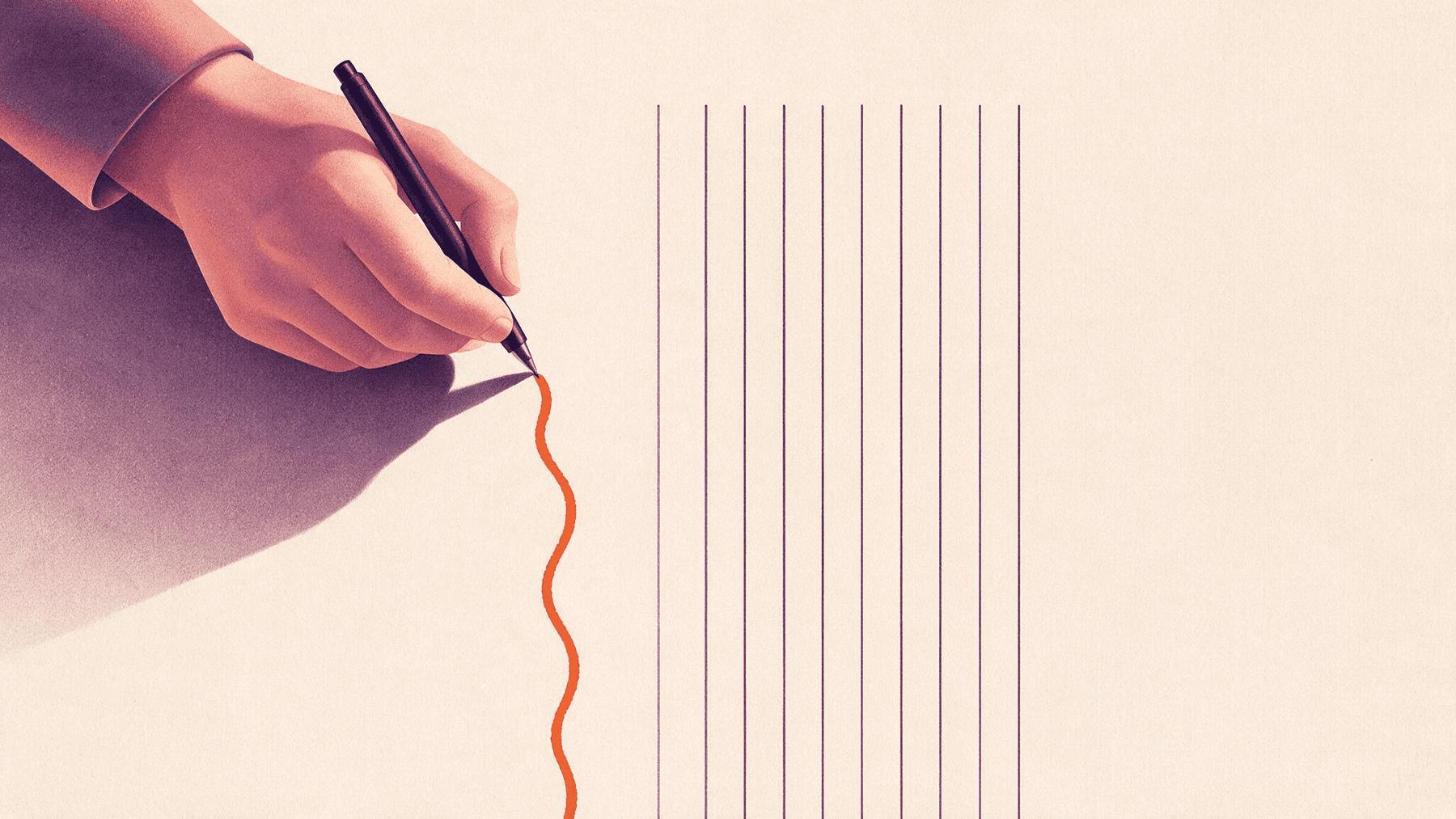
The most valuable design skill of 2026 is, absurdly, the crooked line. When anyone can generate polish with a prompt, perfection stops being scarce. What’s scarce is proof that a human made a choice.
Custom illustration has become 2026’s strongest differentiation asset because AI flooded the market with identical polish. 73% of consumers say they can spot AI-generated content and view it as less credible, handmade and tactile design elements drive 67% higher engagement than purely AI-generated work, and human-crafted design now commands 10–50× the price of AI alternatives. Hand-drawn illustration has moved beyond decoration. It works as a trust signal that says a person stood behind this.
The market correction nobody scheduled
For two years, generative AI made “good-looking” free, and in doing so quietly destroyed its own value. When every competitor’s feed, website and pitch deck carries the same hyper-smooth, algorithmically averaged aesthetic, polish stops differentiating anyone and becomes wallpaper. The backlash now has a name. Landor’s global ECD calls it “Anti-AI Crafting”: “human-driven craft is coming sharply back into focus as the antidote to AI’s hyper-slick visual language”. It has numbers too: 45% of senior creative directors are actively rejecting AI-generated assets for tier-one campaigns, citing the need for “soul” and “provenance”.
Why hand-drawn reads as trust
The mechanism is what one studio aptly calls a “Proof of Work” signal. Visible pen strokes, ink bleed and a line that breathes tell a customer that someone invested time, thought and care into this identity. Imperfection isn’t the point in itself; in a sea of frictionless generation, effort has become legible again. Canva’s own 2026 trend report is titled “Imperfect by Design”, and 80% of creators plan to reassert creative control this year. The industry that built the generators is telling you what comes after them.
What custom illustration does that stock and AI can’t
The first advantage is ownership. A commissioned illustration system is yours legally, stylistically and permanently. Stock is shared with thousands, and AI output is un-copyrightable in most jurisdictions and identical to what your competitor can generate tonight.
The second is consistency. A custom illustration style becomes a brand asset like a logo, carrying the same visual voice across your website, packaging, social templates and presentations. That is the consistency that’s associated with 23–33% higher revenue.
The third is memory. Distinctive beats beautiful. A slightly wonky, unmistakably-yours character or texture is recognized in a feed at scroll speed, while generic polish is scrolled past precisely because it’s seen everywhere.
The fourth is story. Illustration can show what photography can’t, such as your process, your values or abstract services made tangible, in a register that feels human rather than corporate.
Where it pays off first for a small business
Start with a few places, not everywhere at once. The highest-ROI applications, in order: website hero and section illustrations (the first impression AI-weary visitors judge), social media template systems (recognition at scroll speed, post after post), packaging and print (where tactile and hand-made compound each other), and a brand character or icon set (the shortest path to being remembered). One good system beats ten one-off graphics.
This is literally what we draw all day. See custom graphic design & illustration, hand-made in a Czech studio since 1992. If you’re AI-weary, that’s the point.
FAQ
Q: Why is custom illustration suddenly more valuable in 2026?
Because generative AI made polished visuals free and identical, differentiation collapsed, and hand-drawn work became the scarce, credible signal. 73% of consumers say they can spot AI content and trust it less, while handmade elements drive measurably higher engagement.
Q: Is custom illustration better than AI-generated images for a brand?
For brand assets, usually yes: you own it legally and stylistically, it stays consistent across materials, it can’t be replicated by a competitor’s prompt, and it signals human investment, which is exactly what audiences now reward.
Q: What does custom illustration cost compared to stock or AI?
More upfront, since human-crafted design commands multiples of AI pricing. But it behaves as an owned, reusable brand asset rather than a disposable graphic, and the premium itself is part of what it communicates.
Q: Where should a small business use custom illustration first?
Website hero and section illustrations, social template systems, packaging and print, and a brand character or icon set, in that order of typical return. A coherent small system outperforms scattered one-off graphics.
Q: Does hand-drawn mean unprofessional or messy?
No. The 2026 register is crafted imperfection: visible human decisions inside a disciplined system with a consistent palette, a consistent voice and deliberate texture. It is not randomness.
Sources
- Design Magazine AU, Anti-AI Crafting: The $50M Handmade Rebellion (Landor quote): https://designmagazine.com.au/anti-ai-crafting-the-50-million-handmade-rebellion-reshaping-design-in-2026/
- Bigeye, 2026 Design Trends & Consumer Preferences (73% stat): https://www.bigeyeagency.com/insights/2026-design-trends-impact-on-consumer-brands
- Inky Design Works, Micro Graphics Trends 2026 (67% engagement; 10–50×; Canva report): https://www.inkydesignworks.com/posts/micro-graphics-design-trends-2026
- Crea8ive Solution, Anti-AI Design Trends 2026 (45% of CDs): https://crea8ivesolution.net/anti-ai-design-trends-2026/
- Graphicsbyte, 2026 Branding Trends: Human Imperfection (“Proof of Work”): https://graphicsbyte.com/blog/2026-branding-trends-human-imperfection/
- Creative Bloq, Texture, Warmth and Tactile Rebellion (2026 trends): https://www.creativebloq.com/design/graphic-design/texture-warmth-and-tactile-rebellion-the-big-graphic-design-trends-for-2026
FAQ
Questions people ask
Why is custom illustration suddenly more valuable in 2026?
Generative AI made polished visuals free and identical, so differentiation collapsed, and hand-drawn work became the scarce, credible signal. 73% of consumers say they can spot AI content and trust it less, while handmade elements drive measurably higher engagement.
Is custom illustration better than AI-generated images for a brand?
For brand assets, usually yes: you own it legally and stylistically, it stays consistent across materials, it cannot be replicated by a competitor's prompt, and it signals human investment.
What does custom illustration cost compared to stock or AI?
More upfront (human-crafted design commands multiples of AI pricing), but it behaves as an owned, reusable brand asset, and the premium itself is part of what it communicates.
Where should a small business use custom illustration first?
Website hero and section illustrations, social template systems, packaging and print, and a brand character or icon set. A coherent small system outperforms scattered one-off graphics.
Does hand-drawn mean unprofessional or messy?
No. The 2026 register is crafted imperfection: visible human decisions inside a disciplined system (consistent palette, voice and deliberate texture), not randomness.
Need custom illustration or graphics that stock photos cannot give you?
Mascots, icons, social visuals, print and packaging in one consistent brand style.
Related articles
All articles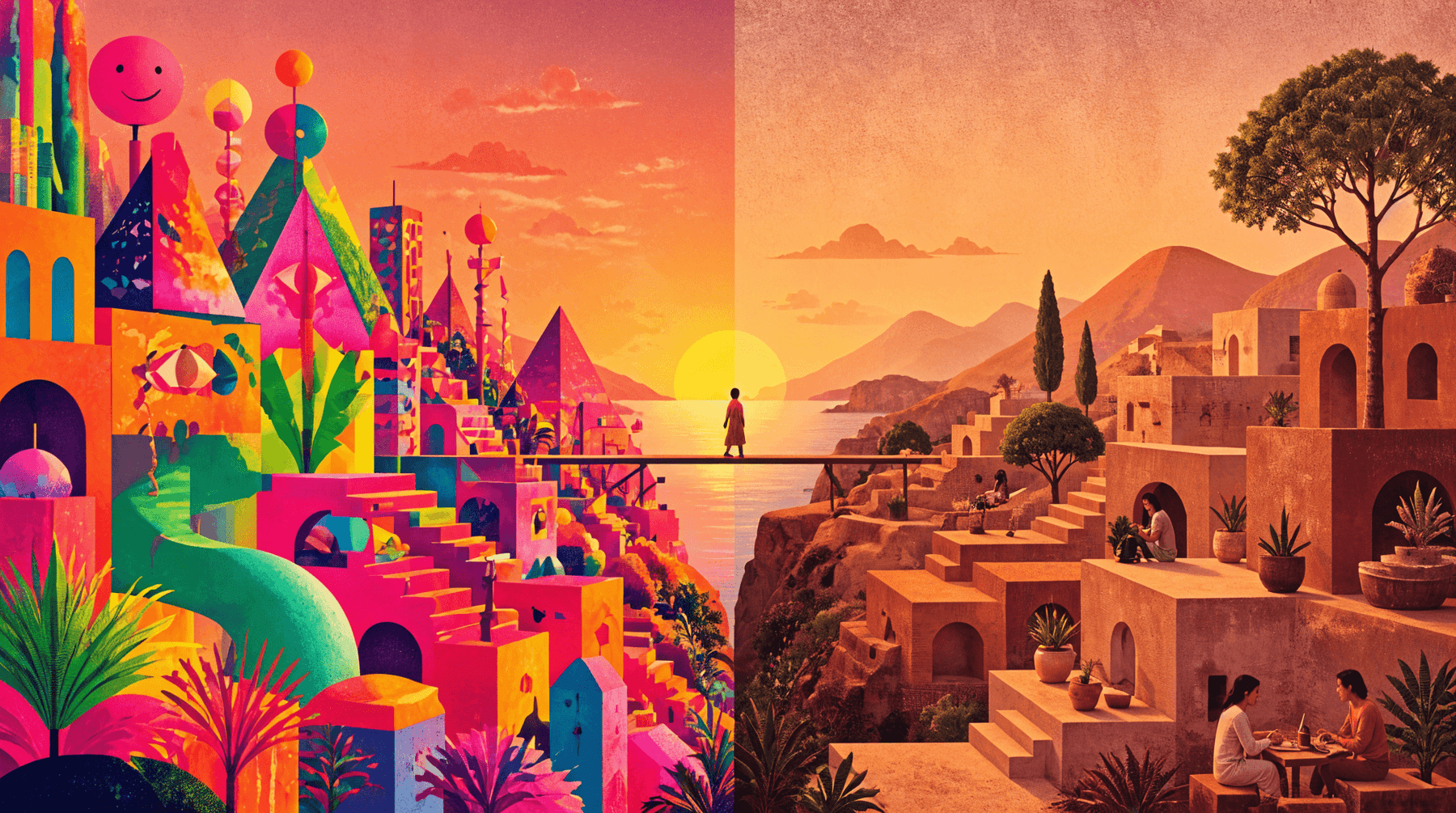 Brand
BrandQuiet Confidence or Dopamine Design? 2026 Trend Test
2026’s web trends split in two: neon dopamine design and quiet, grain-textured restraint. Which fits your brand depends on the decision your buyer is making
· 5 min read
 Brand
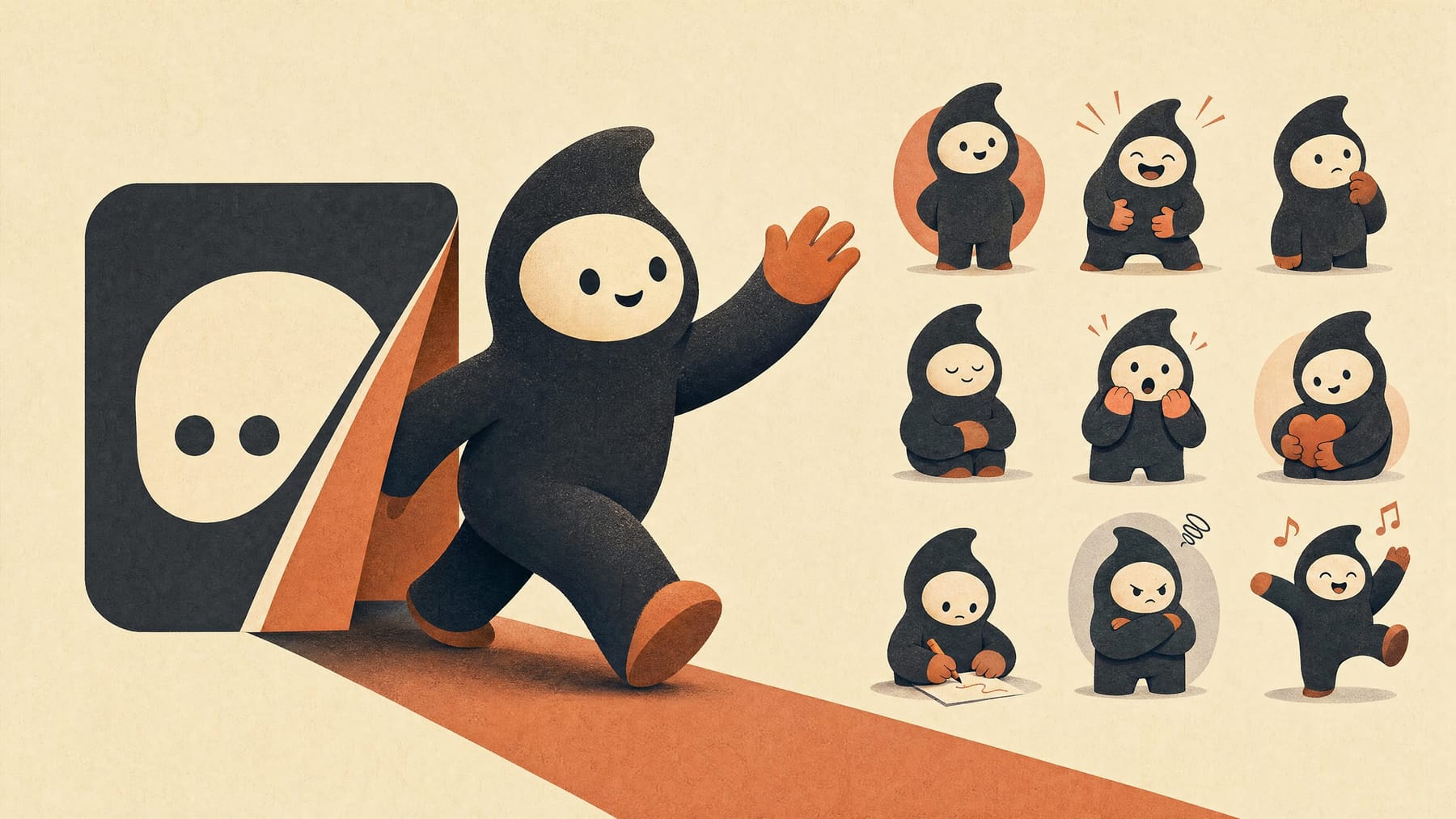
BrandDoes Your Brand Need a Mascot in 2026?
Mascots are staging a comeback, and the AI era is the reason. What Duolingo’s owl teaches, why characters cut through machine-made sameness, and the catch.
· 7 min read
 Brand
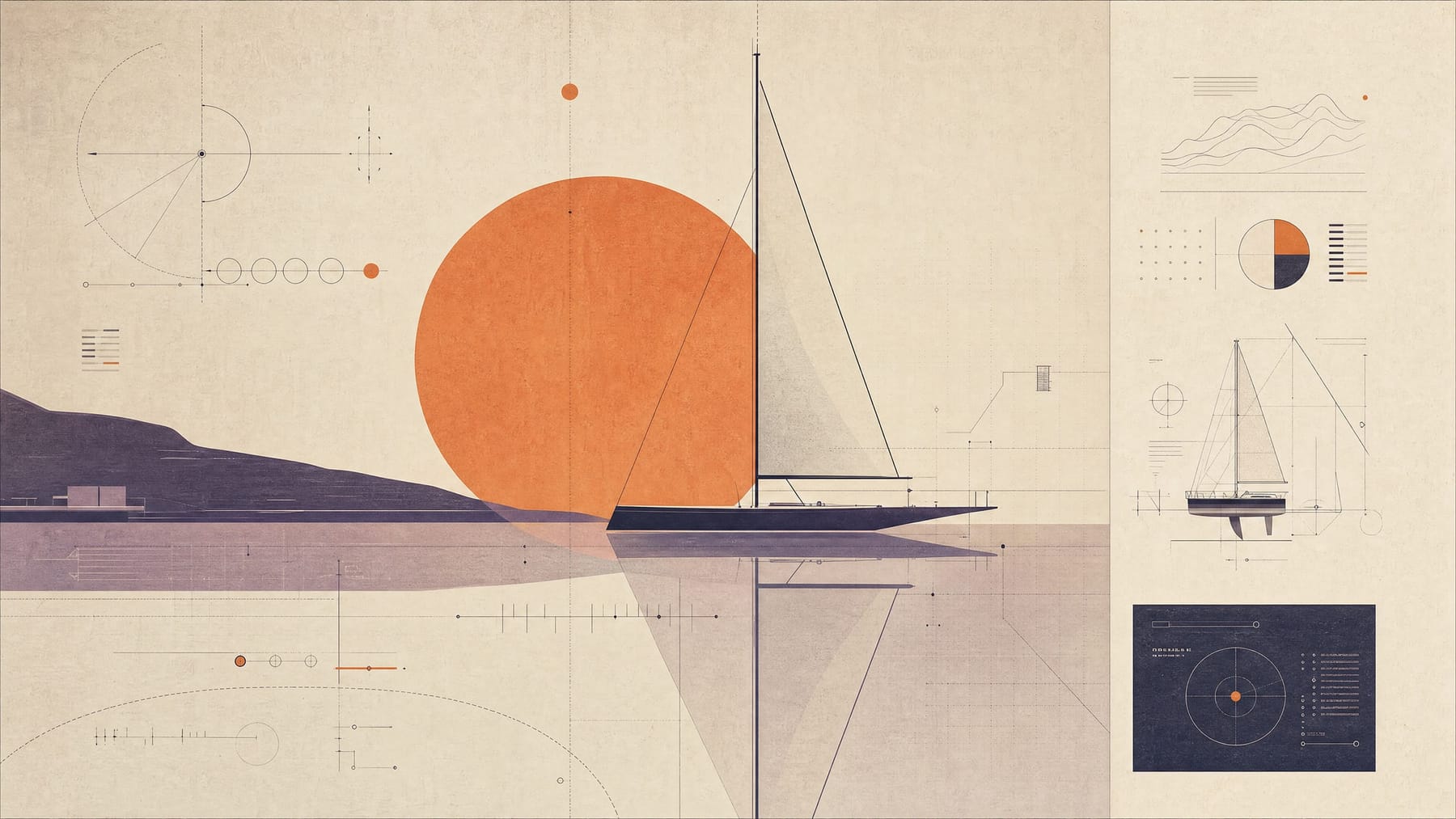
BrandThe Tiny Text Trend Taking Over Big Brands
The microscopic text on packaging was never meant to look good. In 2026 it became a design centerpiece. Inside the micrographics trend, and how to use it well.
· 6 min read