Brand
Why Your Beautiful Website Gets No Traffic (and How to Fix It)
A stunning website nobody visits has a discoverability problem, not a design one. Why your website is not getting traffic in 2026, and the fixes, in order.
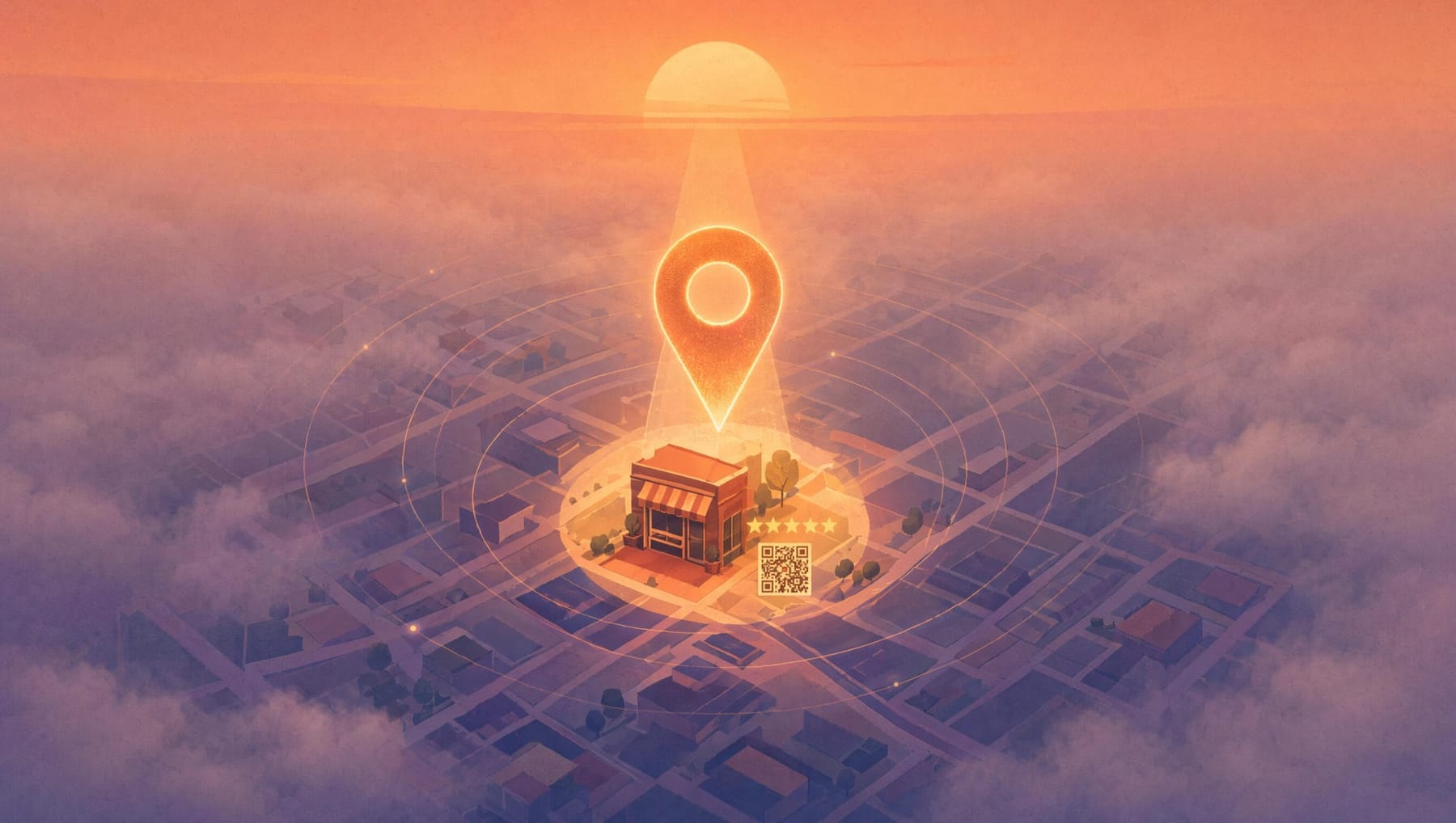
Our line of work has its own particular kind of heartbreak. A client invests in a website they’re genuinely proud of: elegant, fast, on-brand, the kind of thing you’d happily show a stranger. It launches. And then very little happens. A trickle of visitors arrives, most of them people who already knew the company existed. The site is beautiful, and in the way that matters, it is also invisible.
No amount of good design can paper over one fact: a website that can’t be found doesn’t get to be judged on how good it looks. Design decides whether visitors stay and act. Being found decides whether there are any visitors at all. They are two different jobs, and in 2026 the second one has quietly become harder and more important than ever.
The myth of “build it and they will come”
Almost nobody types your URL from memory. They run a search, ask a maps app or, more and more often, ask an AI assistant. In every one of those moments, something other than your homepage decides whether you show up: the search engine, the local pack, the answer box. The data is blunt about it. Roughly 46% of all Google searches now carry local intent, so nearly half of everything searched is someone looking for something near them. If you’re not present in those results, you are invisible to high-intent buyers who are ready to act right now.
A gorgeous site with no search visibility is a beautifully printed billboard in a locked warehouse.
Why “being found” got harder in 2026
Three shifts have changed the game, and a site built even two years ago probably wasn’t structured for any of them.
Zero-click search. A growing share of searches now end without anyone clicking through to a website at all. Semrush put U.S. zero-click traffic at over 27%, up year on year. Google increasingly answers the question on its own results page, so how well your business is presented inside the search results (your profile, your reviews, your structured information) now matters as much as your website itself.
AI Overviews and AI assistants. A meaningful chunk of queries now trigger an AI-generated summary at the top of the page, and a fast-rising share of buyers ask assistants like ChatGPT or Claude to recommend providers directly. Content that isn’t structured to be understood and cited by these systems simply gets skipped, even when it would have ranked in the old blue links. The industry calls this new discipline Generative Engine Optimisation (GEO): making your brand legible and quotable to machines, beyond merely crawlable.
The local pack and reviews. For any business serving an area, the three-result local pack takes a huge share of clicks, and access to it depends heavily on your Google Business Profile and your reviews. BrightLocal’s 2026 survey found around 97% of consumers read reviews for local businesses. Reputation is now part of how people, and Google, judge credibility in real time.
The good news: most of your competitors aren’t doing this either
This part should cheer up any small business. The bar to stand out is lower than it looks, because the field is barely competing. Industry analyses repeatedly find that a large share of small businesses haven’t claimed or fully optimised their Google Business Profile, carry inconsistent name-address-phone details across directories, and have no formal local strategy at all. One widely-cited compilation notes the majority of local competitors have incomplete profiles and thin review activity. For you, that gap is an open door. The businesses that simply do the basics well pull ahead of the ones that don’t, without outspending anyone.
Paid ads stop the instant the budget does. Search visibility compounds. Rankings, reviews and authority accumulate over time, which is why local SEO is regularly cited as one of the highest-ROI channels available to a small business.
What actually moves the needle (in order)
If your beautiful site is getting no traffic, this is roughly where to spend your effort, most impactful first:
- Claim and complete your Google Business Profile. Accurate hours, services, categories, photos, and consistent contact details. For a local business this single asset often does more than the website for discovery.
- Get the technical foundations right. You need a fast, mobile-first, secure site that search engines can crawl, with clean structure, proper headings, descriptive metadata and a sitemap. Beauty and crawlability are different things, and a site built purely for looks often quietly fails at the second.
- Add structured data (schema). Marking up your pages with schema helps both Google and AI systems understand what your business is and does. It is increasingly the price of entry for rich results and AI citations.
- Build genuinely useful content around what people search. Skip keyword-stuffed filler and write clear answers to the real questions your customers ask, with enough authority that an AI would be comfortable quoting you. (This blog is part of exactly that strategy.)
- Earn reviews and the occasional quality link. These trust signals consistently separate the top three local results from everyone else.
None of this is glamorous. All of it turns a website from a brochure nobody opens into a machine that brings people to your door.
Design and discoverability are one job, not two
Great design and being found shouldn’t be handled by separate worlds that never speak. Picture a site built for SEO from day one (fast, structured, marked up, written to answer real questions) and designed to convert the visitors that visibility brings. It is worth vastly more than a stunning site search engines can’t read, or a well-optimised site too clunky to convert. The two halves only work together.
That is how we build at MalbarDesign: websites that are designed to be beautiful and engineered to be found, with SEO built into the structure instead of bolted on after the site mysteriously fails to perform. If you have a site you’re proud of that nobody seems to visit, let’s talk about why. If the underlying site itself is the problem, here are the signs it needs a redesign rather than just better SEO.
A quick note on the numbers in this piece: SEO statistics vary between studies and move quickly. The figures here are drawn from 2025–2026 industry compilations and are best read as direction-of-travel rather than guarantees.
FAQ
Q: Why does my website get no traffic even though it looks great?
Because design and discoverability are separate jobs. Good design keeps visitors and converts them, but being found in search, maps and AI answers is what brings visitors in the first place. A beautiful site with no SEO foundation is invisible to the searches where buyers are actually looking.
Q: What is the difference between web design and SEO?
Web design governs how a site looks and how easily visitors use and act on it. SEO governs whether search engines and AI systems can find, understand and surface it. You need both: design converts the traffic that SEO brings, and SEO brings the traffic that design converts.
Q: What is GEO (Generative Engine Optimisation)?
GEO is the practice of making your brand and content legible and quotable to AI systems like AI Overviews, ChatGPT and Claude, so they surface and recommend you. As more people ask AI assistants for recommendations, GEO complements traditional SEO; structured data, clear authoritative content and a consistent brand footprint all help.
Q: How can a small business improve its search visibility?
Start by claiming and fully completing your Google Business Profile, then make sure the site is fast, mobile-first and crawlable, add structured data (schema), publish genuinely useful content answering customer questions, and earn reviews and the occasional quality backlink. Most competitors skip these basics, so doing them well creates real separation.
Q: Is SEO better than paid ads for a small business?
They do different jobs. Paid ads deliver instant traffic but stop the moment you stop paying. SEO takes longer to build but compounds (rankings, reviews and authority accumulate), which is why local SEO is often cited as one of the highest-ROI channels over time. Many businesses use ads for speed and SEO for durable growth.
Sources
- BizIQ: Local SEO Statistics 2026
- Salesgenie: 23 Local SEO Statistics for 2026
- Digital Applied: Local SEO Statistics 2026: 120+ Data Points
- Sterling Sky: The State of Local SEO in 2026
- LocaliQ: Local SEO Statistics
FAQ
Questions people ask
Why does my website get no traffic even though it looks great?
Because design and discoverability are separate jobs. Good design keeps and converts visitors, but being found in search, maps and AI answers is what brings visitors in the first place. A beautiful site with no SEO foundation is invisible to the searches where buyers are actually looking.
What is the difference between web design and SEO?
Web design governs how a site looks and how easily visitors use and act on it. SEO governs whether search engines and AI systems can find, understand and surface it. You need both: design converts the traffic SEO brings, and SEO brings the traffic design converts.
What is GEO (Generative Engine Optimisation)?
GEO is the practice of making your brand and content legible and quotable to AI systems like AI Overviews, ChatGPT and Claude so they surface and recommend you. As more people ask AI assistants for recommendations, GEO complements traditional SEO through structured data, clear authoritative content and a consistent brand footprint.
How can a small business improve its search visibility?
Claim and fully complete your Google Business Profile, make the site fast, mobile-first and crawlable, add structured data (schema), publish genuinely useful content answering customer questions, and earn reviews and the occasional quality backlink. Most competitors skip these basics, so doing them well creates real separation.
Is SEO better than paid ads for a small business?
They do different jobs. Paid ads deliver instant traffic but stop when you stop paying. SEO takes longer but compounds, as rankings, reviews and authority accumulate, which is why local SEO is often cited as one of the highest-ROI channels over time. Many businesses use ads for speed and SEO for durable growth.
Not sure whether your brand needs a refresh or a rebuild?
Ask for the free 5-point brand check: concrete recommendations for your logo and website within 48 hours, no sales call unless you want one.
Related articles
All articles Web
WebWill AI Agents Recommend Your Business? The New Trust Signals
73% of consumers now shop with AI agents. Agents don’t evaluate charisma; they evaluate data. The new trust signals, and the checklist to fix this month.
· 6 min read
 Web
WebGenerative Engine Optimization: How to Get Recommended by AI
Buyers now ask AI and get an answer, not a list. Generative engine optimization is how your business becomes that answer: the rules, the data, the playbook.
· 6 min read
 Web
WebWebsite Redesign: When It’s Worth It (and Not)
Website redesign cost in 2026 ranges wildly. Here’s what drives the number, when a redesign pays for itself, and when a refresh is smarter.
· 8 min read